From Doubt to Confidence: How Backpacking 1 Month in Peru Became A Turning Point
How backpacking Peru changed my confidence through challenges, decisions, and growth during a 6-month South America backpacking journey.
When I left home in September 2023 with a backpack and a one way ticket to South America, confidence was not something I expected to change. I was focused on the route, the practical details, and the excitement of finally going, not on how the experience might shape me internally once I came back.
I had traveled before, so the idea of spending several months backpacking through South America didn’t feel completely unrealistic. Still, there were situations I avoided, things I postponed, and decisions I hesitated to make unless I felt certain about the outcome. At the time, I wouldn’t have described that as a lack of confidence. Looking back now, though, I can see how much I relied on familiarity and predictability to feel comfortable.
Six months later, after traveling through Ecuador, Peru, Bolivia, Chile, Brazil, Argentina, Uruguay, and Colombia, it became clear how much had shifted along the way. Peru was not the beginning of that change, but it was where I started to notice it. It was where things became physically harder and mentally heavier, but also strangely clearer at the same time.
Looking back now, Peru feels like the point where something deeper started to take shape. Not just in how I handled challenges, but in how I began to think about the journey itself. It became the place that anchored one of the biggest decisions we made along the way, the decision to continue traveling without a fixed return date, and in many ways, where the rest of the journey became possible.
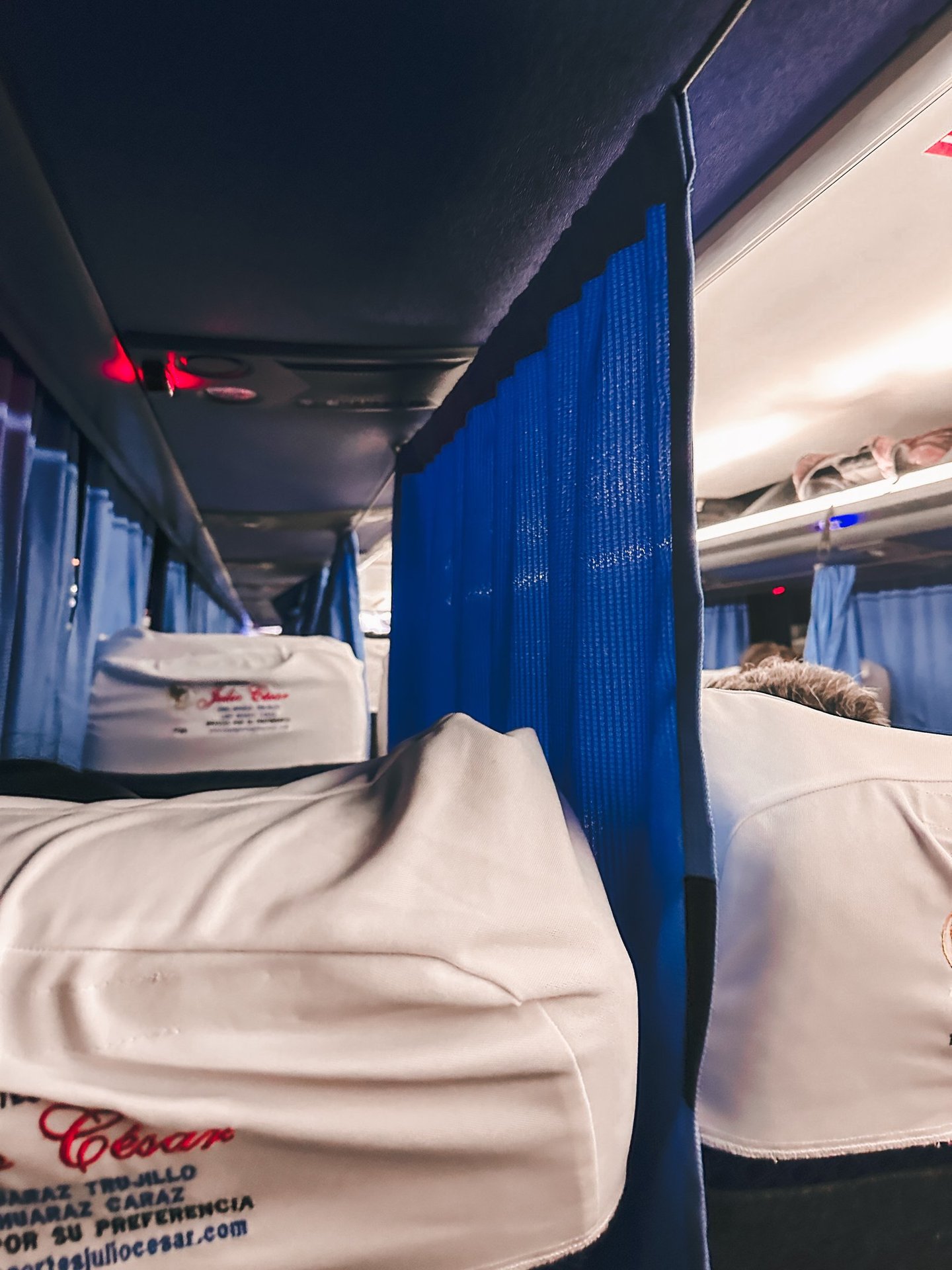
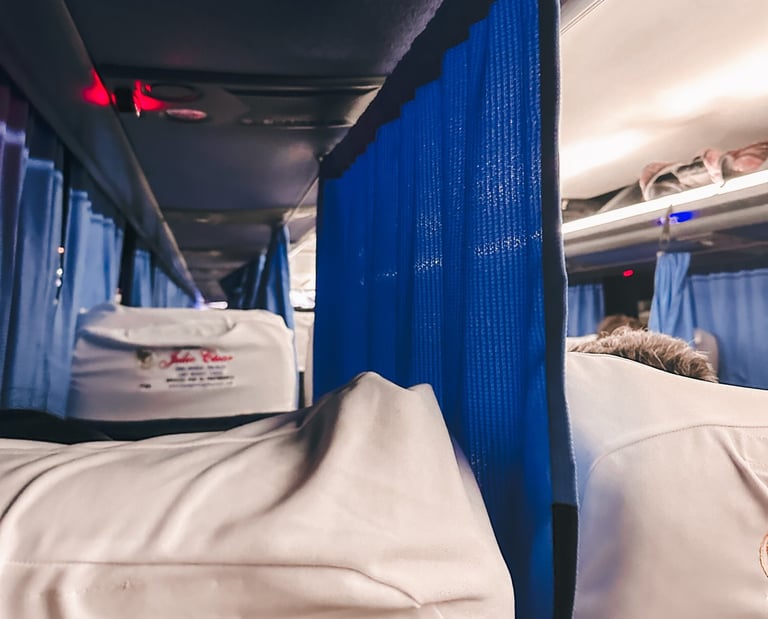
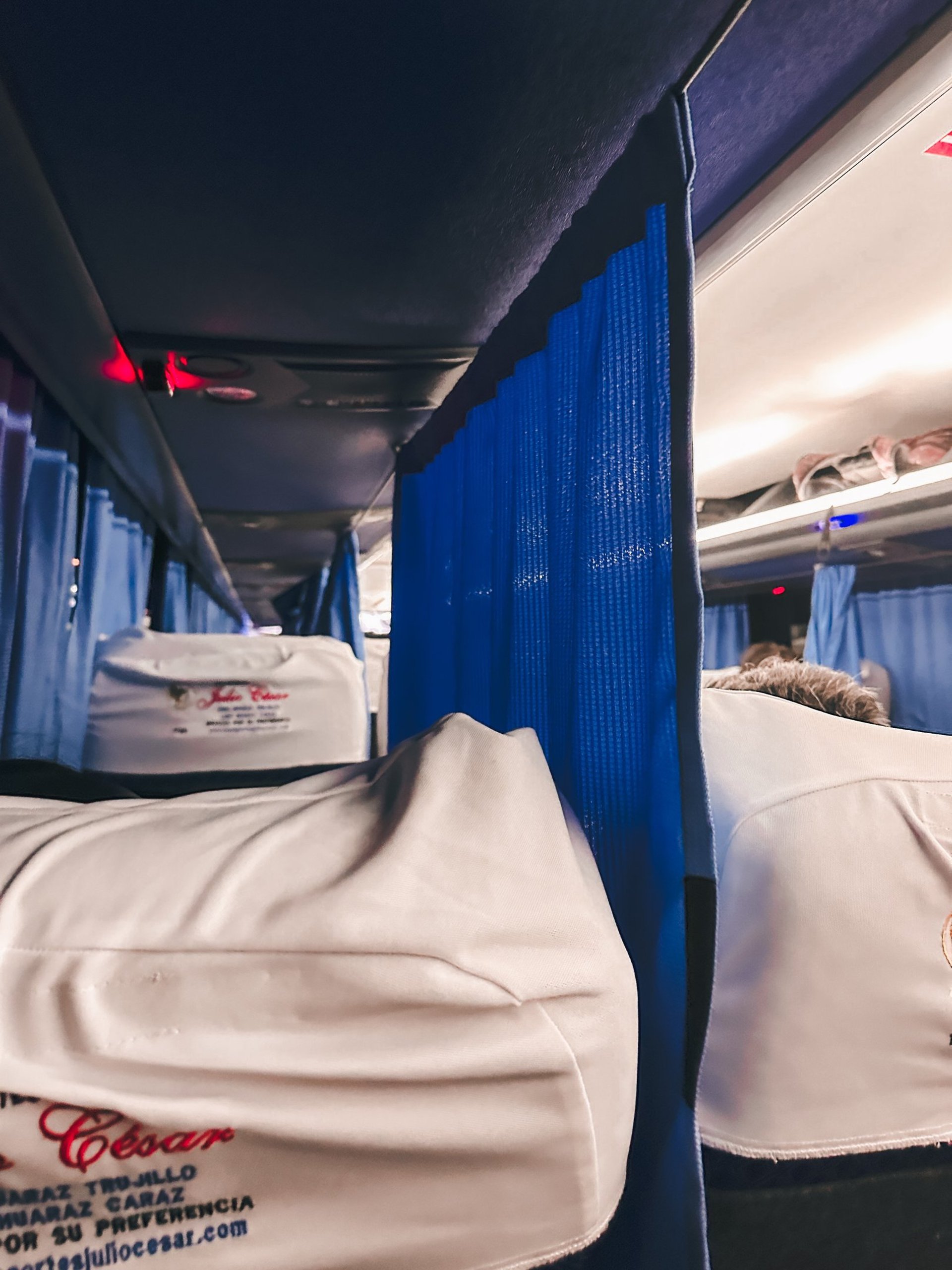
Night bus departure from Trujillo
Table of contents
Click on the topic of interest for faster navigation:
Confidence transformed in Peru
Peru felt different from the beginning, even before the bigger activities started. Distances between places were longer, and travel days often stretched across many hours. Moving from one city to another wasn’t always simple, and the altitude added a layer of effort to daily life that I had only briefly experienced in Ecuador.
Walking uphill felt heavier than expected, even without carrying much weight. Carrying a backpack took more energy than usual. There were days when I felt tired in a way that wasn’t just physical, but came from constantly navigating unfamiliar places, staying alert, and adapting to changing conditions.
Looking back, that was where confidence started to grow faster, although I didn’t recognize it at the time. It didn’t happen because things suddenly became easier. It happened because I stopped expecting them to be easy and instead accepted that things would unfold in ways I couldn’t fully control. Something I got to love and enjoy.
Peru asked more from me than I expected
Peru felt different from the beginning, even before the bigger activities started. Distances between places were longer, and travel days often stretched across many hours. Moving from one city to another wasn’t always simple, and the altitude added a layer of effort to daily life that I only had a taste of in Ecuador. Walking uphill felt heavier than expected, even without carrying much weight. Carrying a backpack took more energy than usual.
There were days when I felt tired in a way that wasn’t just physical, but from navigating unfamiliar places, from staying alert and adapting to changing conditions.
Looking back, that was where confidence started to grow fast, although I didn’t recognize it at the time. It didn’t happen because things suddenly became easier. It happened because I stopped expecting them to be easy and actually embrazed to just be and let things unfoled naturally.
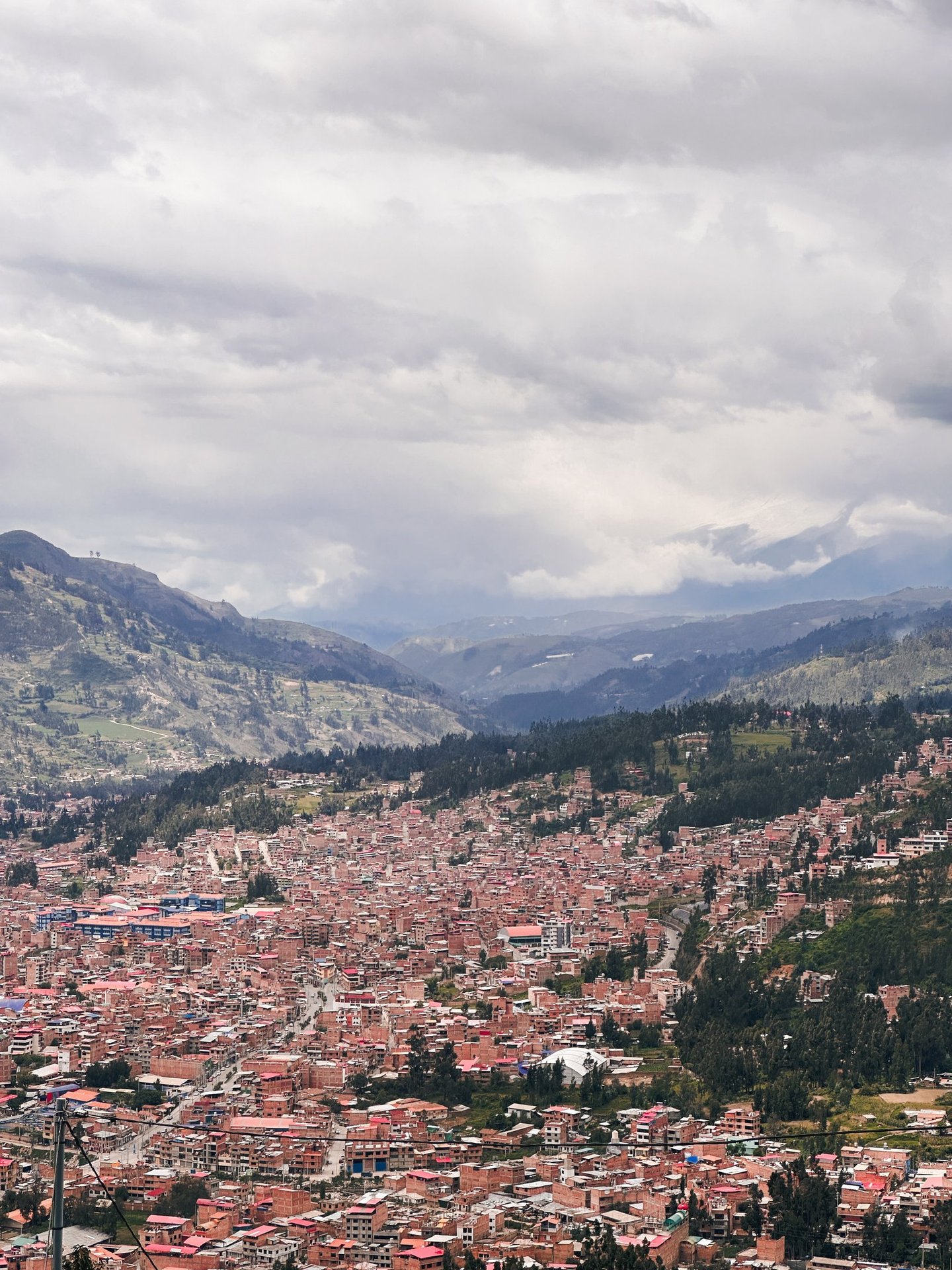
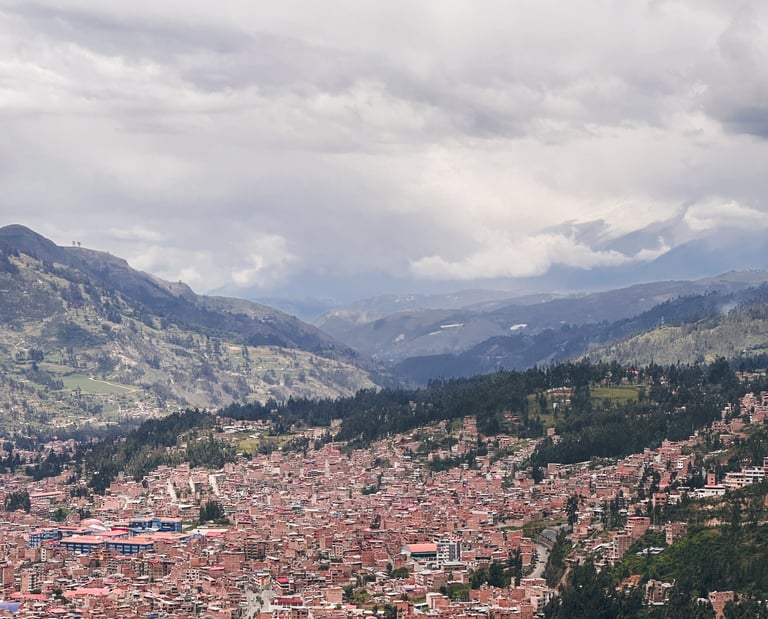
Mountain view of Huaraz
Confidence came from small moments
When people think about confidence through travel, they often imagine dramatic milestones or unforgettable highlights. Standing at Machu Picchu, finishing a long trek, or reaching a summit. I do too. But looking back, it’s just as important to recognize the small moments that shaped my confidence and belief in myself in uncertain situations.
Arriving at a bus terminal late at night and figuring out where to go without relying on anyone else to take the lead. Walking unfamiliar streets while trying to locate our hostel, sometimes feeling unsure but continuing anyway. Trusting that situations would sort themselves out, which they usually did once I lowered my expectations of how things were supposed to look.
There were also moments when plans didn’t work as expected and had to be changed without much time to think. Situations where decisions needed to be made quickly instead of analyzed endlessly. Each time something worked out, which it often did, I felt slightly more capable and realized that not everything could be planned ahead, nor should it be.
Situations that once felt overwhelming slowly became manageable, and that shift happened so gradually that one day I noticed I was reacting differently than before.
The big moments showed me what I was capable of
At the same time, there were moments that felt undeniably bigger. Moments that pushed me physically and demanded more effort than everyday travel situations.
Those moments stayed with me because they offered clear proof of what I could handle.
Starting With Smaller Hikes
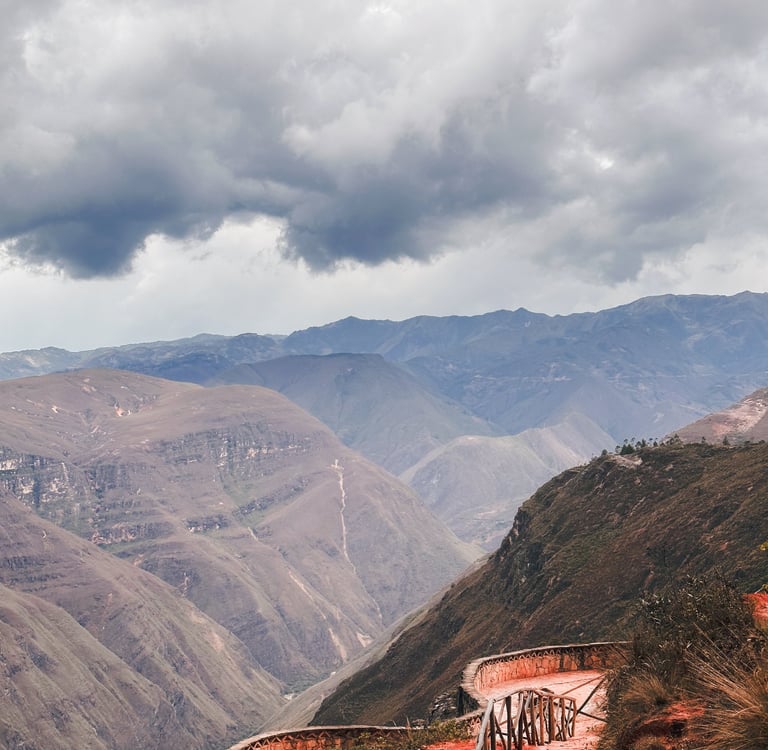
In some of the early places like Chachapoyas, hikes to viewpoints such as Mirador del Cañon de Huancas didn’t seem overwhelming when we planned them. But looking at distances on a map never feels the same as standing at the base of a trail.
At the start of each hike, there was always a moment where I wondered whether I had underestimated what lay ahead. The incline looked steeper in person, and the distance felt more real than it had during planning.
Eventually, reaching the top felt less like conquering something and more like finishing something that had required patience and persistence. Those experiences built trust in myself in a way that planning alone couldn’t.
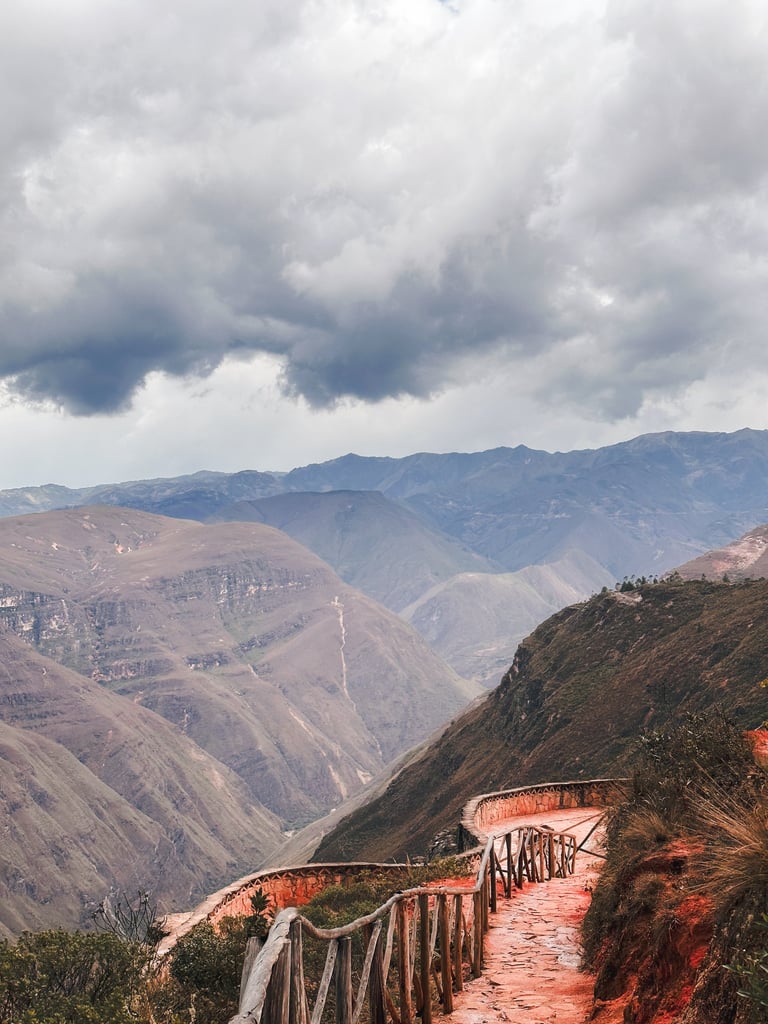
Huaraz was where it became physical
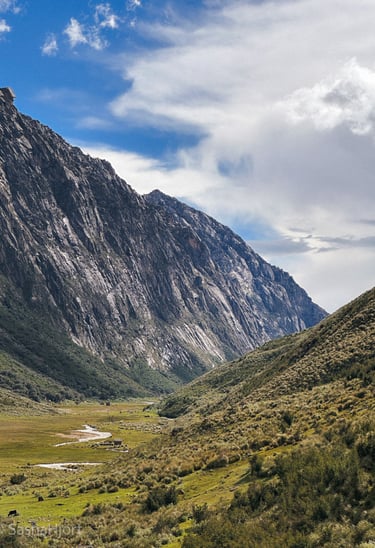
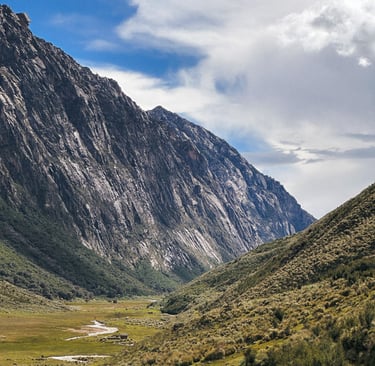
Huaraz is known for its hiking, and after spending time there, I understand why people speak about it with so much respect. The scenery is breathtaking, but it demands effort in return.
Laguna 69 was one of the hardest hikes I had attempted at that point. The altitude made every step feel heavier than usual, and breathing required more effort than I was used to.
There were moments when stopping felt tempting, not because I lacked determination, but because my body felt exhausted. I didn’t feel strong while walking. That feeling came later, when we reached the top and even more when I was lying in bed hours later, thinking that I had made it and already looking forward to the next hike.
Other hikes in the region, including Laguna Churup, Laguna Llaca, Laguna 513, and Nevado Mateo, built on that same foundation. Each one pushed slightly further, and each one made the next challenge feel less intimidating.
Those hikes increased my physical endurance and changed changed how I viewed my limits.
Want to know more of my time in Huaraz and about the hikes I did there? Read more: Discover Huaraz: Peru's Adventure Capital
Climbing in Arequipa was something new
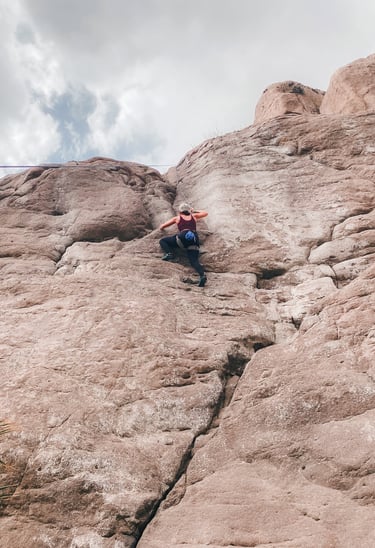
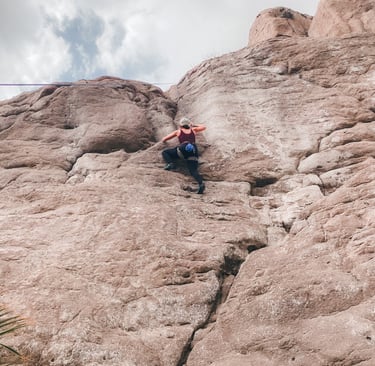
Climbing in Arequipa brought a completely different kind of challenge. Standing at the bottom of the wall and looking upward created a tension inside me. I remember feeling uncertain about whether I would manage something that looked so impossible, while at the same time trusting the instructor holding the rope.
Doing something for the first time always carries discomfort, especially when there is no previous experience to rely on. Climbing required trust in movement and quick decision making. Placing your foot carefully, reaching upward, and shifting your weight demanded full attention.
At some point during that climb, I stopped thinking about the height and started focusing only on the next movement. Each small success made the next one feel possible. I didn’t think about what a misstep could mean. I focused on what I needed to do right in front of me. It was almost liberating to give the mind a break and just focus on the present.
The Salkantay Trek stands out the most
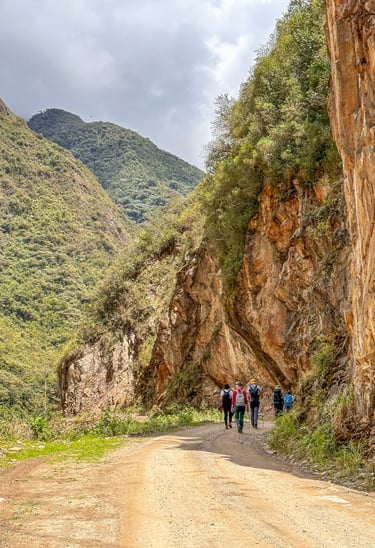
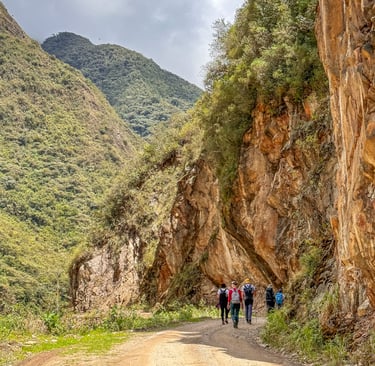
The Salkantay Trek stands out more clearly than anything else from that period. Five days of trekking reduced life to basic actions: walking, resting, eating, sleeping, and repeating.
Some days felt longer than expected, especially when cold or rainy mornings made starting difficult. The altitude slowed everything down, and even small distances sometimes felt larger than they were.
Reaching Machu Picchu at the end felt like a reward that carried the weight of everything that came before it. It was surreal to think about everything we had experienced during those five days leading up to that final moment.
Glacier climbing was the hardest of all activities
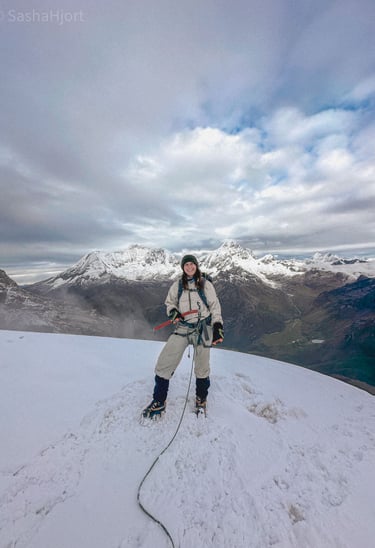
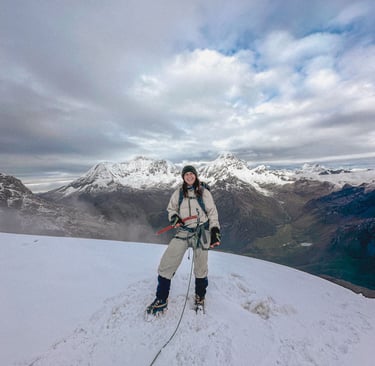
Climbing Nevado Mateo was no joke. By that time we had already done several demanding activities, and we knew this one would be the hardest. It felt like a final test of how far we had come physically and mentally.
I am still proud of that climb to this day. I remember standing in the dark drinking coca tea before starting, changing into ice boots, using the ice axe to move forward, and eventually reaching the summit.
That moment felt like a personal win in a way that stayed with me. Even now, when I doubt myself, I find myself returning to that memory as proof that I am capable of more than I sometimes believe.
Peru changed the rest of the South American travel
Almost two months into the trip, we made a big decision to remove the fixed return date to Denmark. Originally, we had planned to be home before Christmas. It had felt like the obvious choice. But with about a month and a half left until Christmas, we realized we weren’t ready to leave.
After a conversation with a Brazilian girl in our hostel in Arequipa, my friend and I looked at each other and asked ourselves why we should go home when we both wanted to stay and had the possibility to do so.
That was the moment everything shifted. We called home and shared our decision. We didn’t have a detailed plan after that. We followed what felt right, and that decision shaped the rest of our journey.
Want to know more about the whole 6-month travel in South America? Follow the link bellow:
Confidence came from doing unforseen things repeatedly
Looking back now, Peru didn’t make me fearless, and it didn’t remove uncertainty from my life. What it changed was the way I approach difficulty, and that shift still affects me today.
Confidence didn’t grow from thinking about challenges or preparing endlessly before acting. It grew from moving through difficult or unfamiliar situations again and again, from handling things that felt uncomfortable, and from realizing over time that those situations were survivable, manageable, and often less intimidating than they first appeared.
The small moments laid the groundwork, even when they didn’t feel important at the time. The bigger moments showed what was possible when I kept going despite doubt or fatigue. Somewhere between those repeated small decisions and the physically demanding challenges, confidence shifted from something fragile into something steadier.
If there’s one thing I carry with me from backpacking Peru, it’s the understanding that confidence isn’t something you wait to feel before taking action. It forms gradually when you continue forward despite uncertainty, and when you discover through experience, not theory, that you are capable of more than you once believed.
Peru has so much to offer, so I have made the best itineraries for beaches, mountains, and high-altitude hikes. Follow the link below:
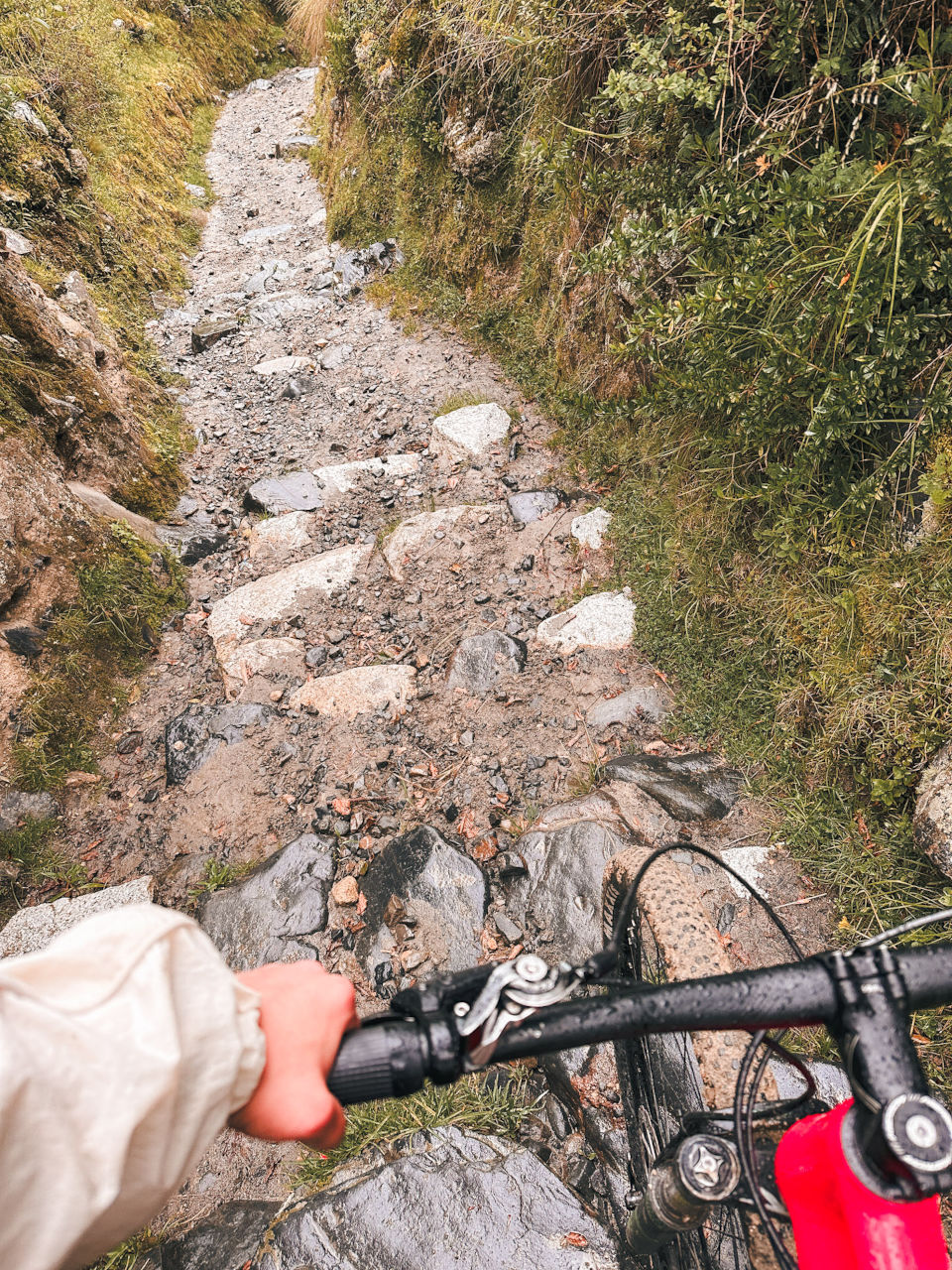
Mountain biking in Huaraz
Related Posts About Peru
What itineary should you choose?
© 2025. All rights reserved.