Salkantay Trek 5D4N: My honest day-by-day experience to Machu Picchu
An honest day-by-day guide of the Salkantay Trek 5D4N to Machu Picchu, with altitude, distances, camps, food, practical tips, and lots of pictures.
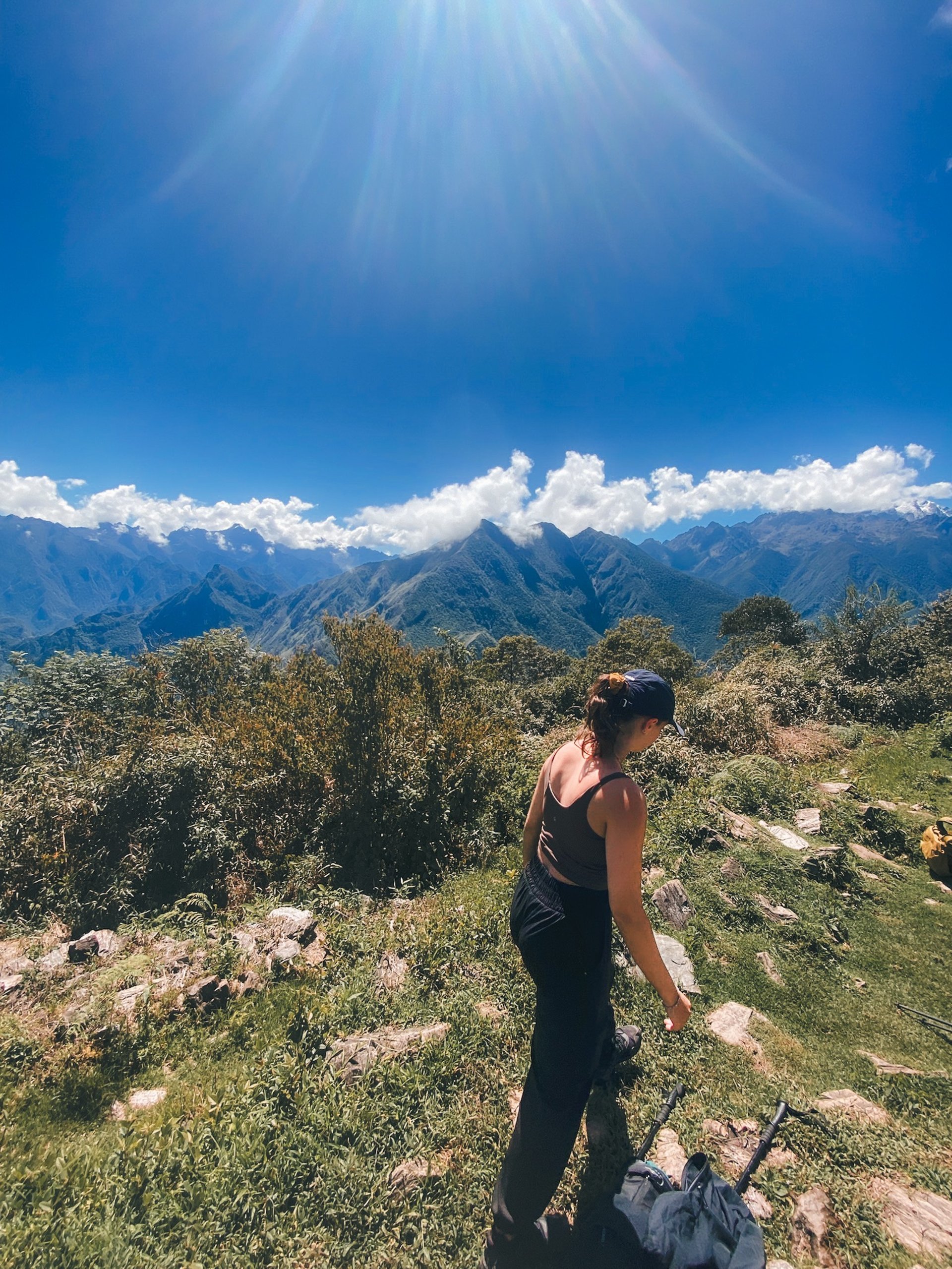
I did the Salkantay Trek at the end of October 2023, from the 27th to the 31st. Five days, four nights, rain-soaked shoes, tired legs, and that slow shift from cold mountain air to thick jungle humidity. One moment I was pulling gloves over stiff fingers, the next I was wiping sweat from my neck somewhere near coffee plants.
Before going, I had so many questions. Was the Salkantay Trek worth it? Would it be too hard? Should we choose the Inca Trail instead? Would I regret signing up for five days of hiking at altitude?
If you are asking those same questions right now, I get it. I was there too.
My friend and I booked the Classic Salkantay Trek (5D/4N) with KB Adventures, not sponsored, and chose it over the Inca Trail for two reasons. Price first of all. And second, recommendations from people who had walked both and felt Salkantay offered more variation in landscape and fewer crowds. I have not done both myself, but after those five days, I understood exactly what they meant.
The trek was demanding, but the days were long in the best sense of the word. The altitude was serious, especially on the second day. The camps were different from each other and all very cozy in their own way. The guides were such a good vibe and the food was warm and filling after hours of walking.
This post is a practical, honest, day-by-day account of how the Salkantay Trek unfolded, what surprised me, what challenged me, and what I wish I had known before going. Especially if you are a female backpacker who likes pushing yourself a little while still wanting to feel safe and prepared.
Table of Contents
Click on the topic of interest for faster navigation:
Why choose the Salcantay Trek?
The Classic Salkantay Trek is often described as the second most popular trek in the Cusco region. That sounds like marketing language, but in reality it means two things. It is well organized. And it still feels remote.
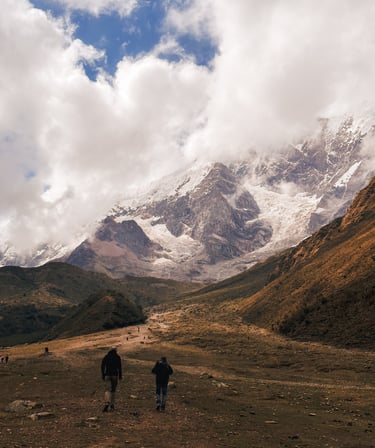
Compared to many other routes to Machu Picchu, the Salkantay Trek is known for its dramatic changes in landscape. One day you pass turquoise lakes like Humantay. Soon after, you are walking toward snow-covered peaks on Salkantay Mountain. Then suddenly you are descending into cloud forest and jungle where the air feels heavy and green.
This shift in climate means that one day you are layering fleece and gloves. The next you are sweating through your shirt and looking for shade.
If you are considering this trek, it helps to think of it less as an alternative to the Inca Trail and more as a completely different experience.
Salkantay Trek vs Inca Trail
This is probably one of the biggest decisions when planning a trip to Machu Picchu.
The Inca Trail is famous for its archaeological sites and strict permit system. Campsites are fixed, group sizes are controlled, and the entire experience feels very structured.
The Salkantay Trek, on the other hand, focuses more on landscapes and physical challenge. It feels more open, more varied, and less curated. You still walk with guides and follow an organized route, but there is a sense of wildness to it.
Price also plays a role. The Salkantay Trek is usually more affordable than the Inca Trail, which made it more realistic for us as backpackers traveling long term across South America.
Another difference is crowds. The Inca Trail is extremely popular, and permits sell out months in advance. Salkantay tends to feel quieter, even though it is still a well-known route.
If your dream is walking through ancient ruins, the Inca Trail might suit you better. If your dream is crossing mountain passes, seeing glaciers, and feeling the shift from alpine cold to jungle heat, Salkantay might be exactly what you are looking for.
Guided Trek vs Independent Trekking
Technically, it is possible to hike the Salkantay Trek independently. But doing so is a completely different undertaking.
You would need to manage navigation, accommodation, meals, weather exposure, and Machu Picchu tickets on your own. On a route with high altitude, long distances, and unpredictable conditions, that is a lot to carry mentally on top of the physical effort.
For us, trekking with a guide struck the right balance. We still felt independent while walking, but logistics were taken care of. That meant we could focus on breathing, walking, and simply being present in the landscape instead of worrying about where to sleep or how to cook dinner at 4,600 meters.
Booking the Salkantay Trek with KB Adventures
We booked directly with KB Adventures through their website (external link) and communicated the details on WhatsApp. Everything was clear, and expectations were set early.
KB Adventures recommends booking two to three months in advance. We booked one month ahead and had no issues, but that was during shoulder season. If you are planning to hike during peak months, booking earlier is probably a safer choice.
The group was small, the guides were local, and the pacing felt flexible. No one was pushed beyond their comfort, and there was room to walk faster or slower depending on how your body felt.
What stood out most was consistency. Meals were ready when we arrived. Camps were prepared ahead of us. Sleeping bags had already been delivered. The domes themselves were simple but unique, and surprisingly weatherproof even when it rained.
The guides were attentive without hovering. They gave clear instructions, shared stories about the landscape and local communities, and adjusted the pace when needed. There was a calmness to their presence that helped on long days when the weather shifted or altitude made breathing heavier.
One thing to be aware of: Payment in cash
There was only one moment where things did not go entirely smoothly.
The day before departure, a representative from KB Adventures came to our accommodation to collect the remaining payment, walk us through the trek, and hand over our sleeping bags and sleeping pads.
The briefing itself was excellent. The route was explained clearly. Daily schedules made sense. Practical details were shared in a way that made us feel prepared.
But we were not informed beforehand that the remaining balance had to be paid in cash.
Because of that, we were unprepared. We had to visit several ATMs and use different cards due to daily withdrawal limits from our Danish banks. That resulted in unnecessary fees that could easily have been avoided with a few days’ notice.
It was a small issue in the big picture, but one worth mentioning so you can avoid the same situation.
If you book a Salkantay Trek, always confirm payment methods in advance.
How hard is the Salkantay Trek really?
This is one of the most common questions people ask, and it is a fair one.
The Salkantay Trek is physically demanding. There is no gentle way to describe it. You walk for hours each day, often uphill, often at altitude, sometimes in rain, sometimes in strong sun. But hard does not mean impossible.
You do not need to be an athlete. You do not need to run marathons. What you do need is preparation, patience, and realistic expectations.
Altitude is the biggest challenge for many people. Spending at least two to three days in Cusco before starting the trek makes a huge difference. It gives your body time to adjust and reduces the risk of altitude sickness.
Mentally, the trek is just as challenging as it is physically. There are moments when the trail feels endless, when your legs feel heavy, and when rain makes everything slower and colder.
And then there are moments when you stand at the top of a pass, look around, and realize that you walked yourself into a landscape that once felt unreachable.
Those moments stay with you.
Practical tips before starting the Salkantay Trek
There are a few things I wish someone had told me before going.
First, spend time acclimatizing in Cusco. Walk around the city, take short hikes, drink plenty of water, and listen to your body. Altitude is not something you can rush.
Second, accept that weather will change. Even in the same day, conditions can shift quickly. Sunshine can turn into rain. Warm afternoons can turn into freezing nights.
Layers matter more than extra outfits.
And third, be realistic about your energy. The trek is not a race. It is a slow accumulation of steps that eventually leads you somewhere extraordinary.
Day-by-day itinerary to Machu Picchu
Day 1
Cusco to Soraypampa
Route overview
Cusco
Mollepata
Challacancha (start of hike)
Soraypampa base camp
Humantay Lake
Distance and time
7 km hiking
4.5 hours in total
Altitude
Start: 3,800 m at Challacancha
Camp: 3,900 m at Soraypampa
Humantay Lake: 4,220 m
We were picked up between 4:30 and 5:00 in the morning in Cusco. Still dark outside, streets quiet, that slightly unreal feeling that comes from waking before the city does.
The drive to Mollepata took about two hours. I remember feeling half asleep until breakfast appeared. Eggs, bread, fruit, tea. Nothing fancy, but exactly what you need before a long day.
From there, we drove to Challacancha, the official starting point of the trek. That was where it began to feel real.
The air already felt thinner. Not dramatically so, but noticeable. Like your lungs had to work just a little harder than usual.
The first hike to Soraypampa took around three hours. The trail was steady and open, surrounded by wide valleys and grazing animals. You could feel the altitude creeping in quietly.
Lunch was served at Soraypampa base camp. Soup, a warm main dish, and tea. Sitting down after those first hours of walking felt better than expected. Your body already starts noticing the effort.
After lunch came the optional hike to Humantay Lake.
And I would say this clearly to anyone considering it: if you have even a small amount of energy left, go.
The climb itself was shorter but steeper, about one and a half hours uphill. The path zigzagged sharply, and breathing became heavier with every step. But when the lake appeared, it was worth every bit of effort.
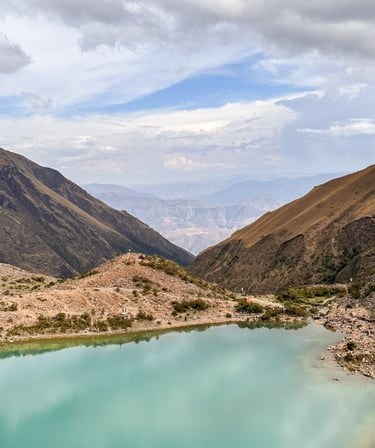
Humantay Lake sits high and exposed, surrounded by rock and glacier-fed water so blue it almost looks unreal. The sky was clear and sunny when we arrived, which made the colors even stronger.
We stayed long enough to walk around, take pictures, and sit quietly for a snack.
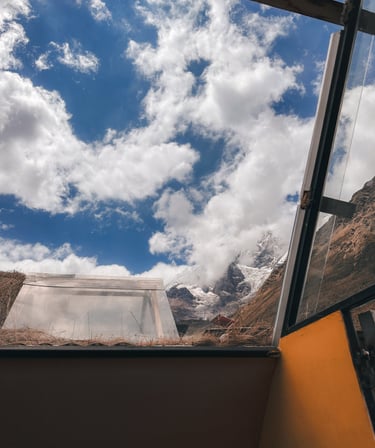
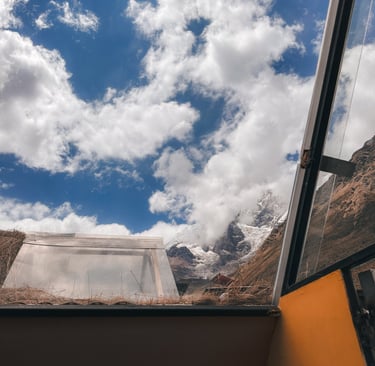
Back at camp, we were greeted with hot coca tea and dinner prepared by the cooks. The dome we stayed in had windows in the roof, which meant we could see the mountains and the evening light fading outside.
Bring layers. And if you are like me, gloves might become part of your sleeping outfit.
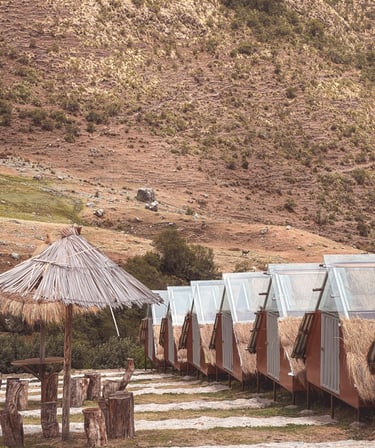
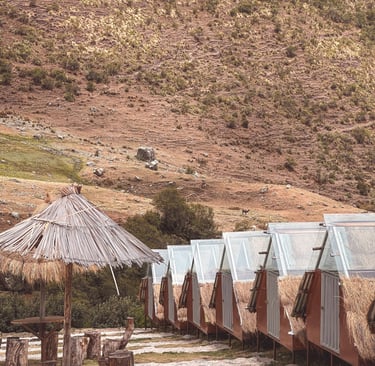
Soraypampa Camp
View from the hut
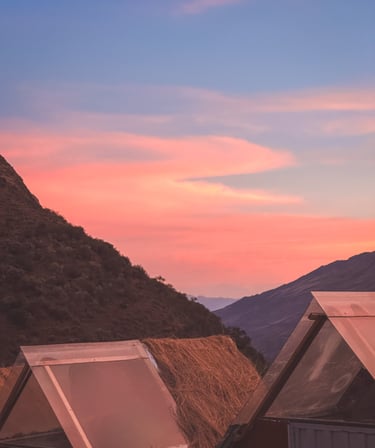
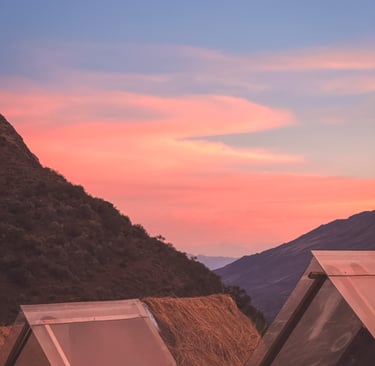
Sunset from campsite
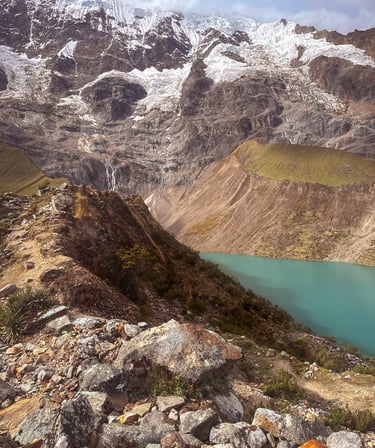
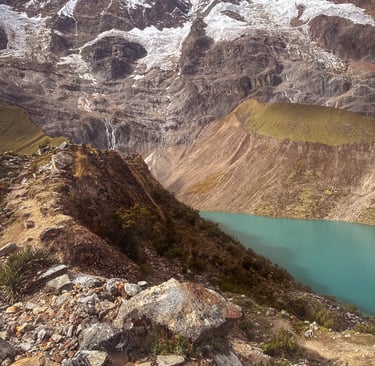
Hike to Humantay Lake
Humantay Lake
Humantay Lake
Day 2
Soraypampa to Collpapampa
Route overview
Soraypampa
Salkantay Pass (Abra Salkantay)
Wacracmachay
Collpapampa camp
Distance and time
22 km hiking
9 hours in total
Altitude
Start: 3,900 m at Soraypampa
Highest point: 4,650 m at Salkantay Pass
Camp: 3,000 m at Collpapampa
Day two started early. Coca tea was brought to the dome before sunrise by the guides, followed by breakfast at 5:00. This was the day everyone had been talking about. The hardest day physically. The one with the highest point of the entire trek. I agree, it was the hardest day, both physically and mentally.
The ascent to Salkantay Pass took about three hours. Steep and exposed from the very beginning.
It was raining from the start.
Cold rain that soaks slowly through layers if you are not properly prepared. My rain gear was working, but my shoes were already losing the battle.
Step by step, the landscape changed. Vegetation disappeared. Rocks became more dominant. The air grew thinner.
At the top, it was still raining and very cloudy, so we did not get the full panoramic views of the surrounding peaks like Salkantay, Humantay, Tucarhuay, and Pumasillo.
And that is part of trekking. Mother Nature decides what you see.
Even without clear views, standing at Salkantay Pass felt like an accomplishment. The highest point of the trek. The moment where you realize your body carried you all the way up there.
After a short break, the descent began. And that was when things shifted.
The landscape softened slowly. The harsh alpine environment gave way to greener surroundings. Walking downhill felt easier physically, but it still demanded attention, especially on wet terrain.
Lunch was served at Wacracmachay after about three hours downhill.
We were wet and tired, but the mood in the group lifted unexpectedly. Someone brought out a speaker, and suddenly bachata music filled the air. People started dancing in their wet clothes and muddy boots. I didn't though, I enjoyed the show instead.
It felt slightly surreal. Like something between exhaustion and celebration.
After lunch, another three hours brought us to Collpapampa.
The temperature was noticeably warmer here. That alone felt like relief.
We had a few hours at the campsite to shower, rest, play games with the others, eat snacks, and drink tea before dinner.
The domes here were more enclosed, igloo-like, without windows. Still comfortable, still warm enough to sleep.
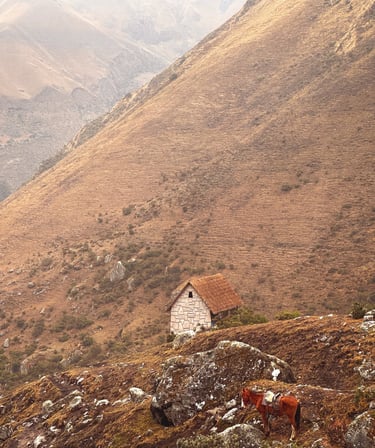
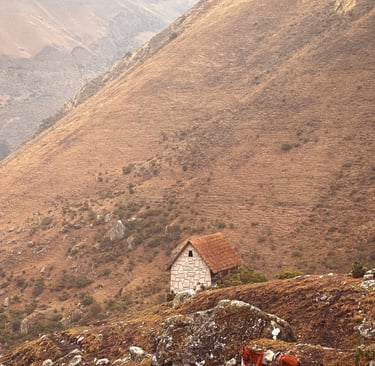
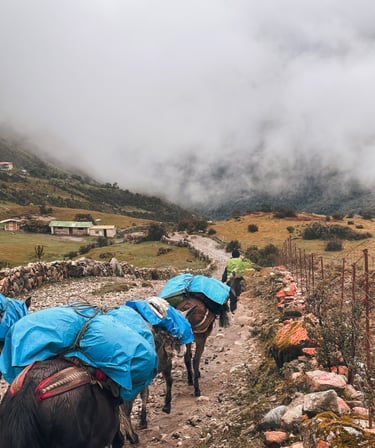
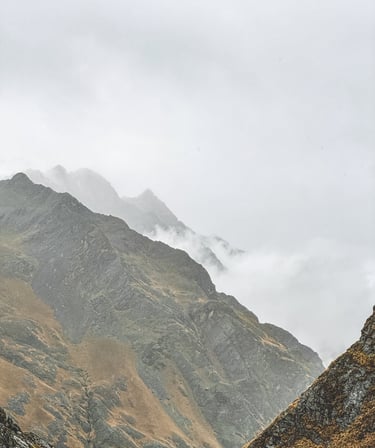
View from the Salkantay Pass
On the way to Collpapampa
Rainy day at the Salkantay Pass
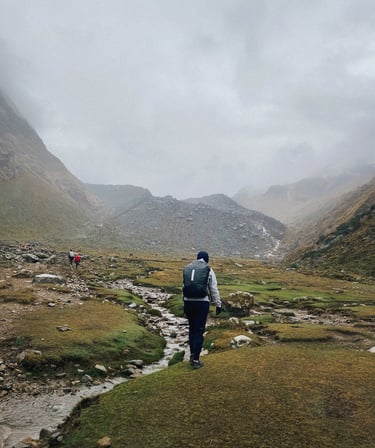
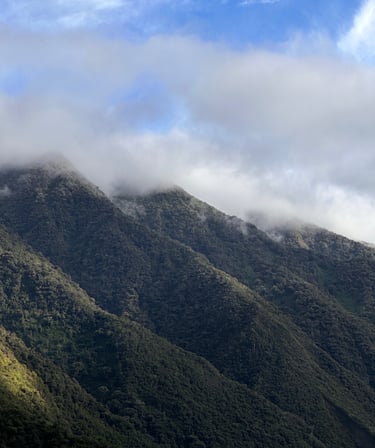
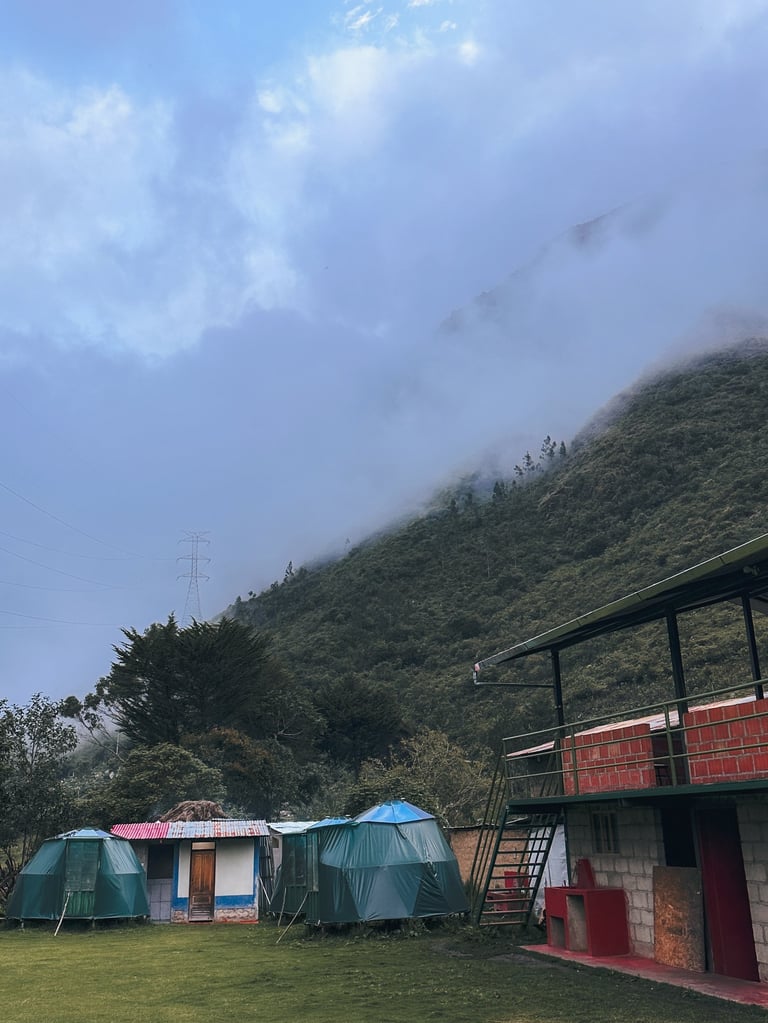
A valley on the way to Collpapampa
Collpapampa
The Collpapampa Camp
Day 3
Collpapampa to Lucmabamba
Route overview
Collpapampa
Cloud forest
Lucmabamba camp
Distance and time
14 km hiking
5.5 hours in total
Altitude
Start: 3,000 m at Collpapampa
Camp: 2,000 m at Lucmabamba
Day three felt like entering a different world. The cold mountain air was gone. In its place came humidity, warmth, and the steady sound of water moving somewhere nearby.
This was the day where the trek shifted from mountain survival to jungle exploration.
The trail moved through cloud forest and dense vegetation. Short ascents and descents replaced the long climbs of earlier days. Orchids appeared along the path. Medicinal plants were pointed out by our guide.
For stretches of the day, a river followed us closely. The sound of water became background noise, steady and calming.
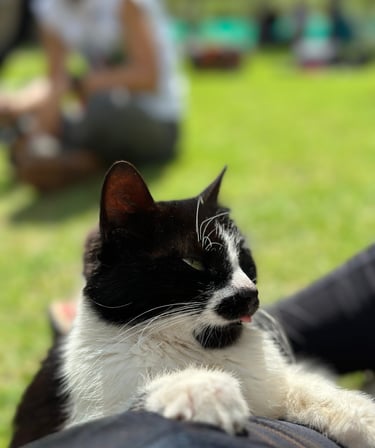
Midway through the day, we stopped at a large grassy area with hammocks strung between trees. A lot of groups were resting here with their guides. There wasa a little stall from where you could buy snacks and beverages.
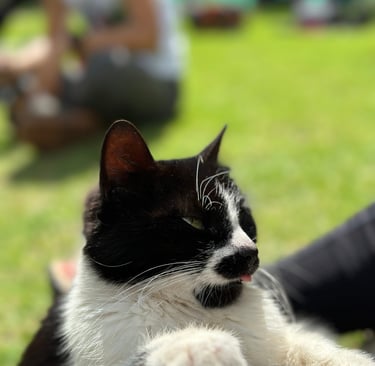
After days of constant movement, lying down in a hammock felt like something special and I got accompanied by a cat looking for some cuddles.
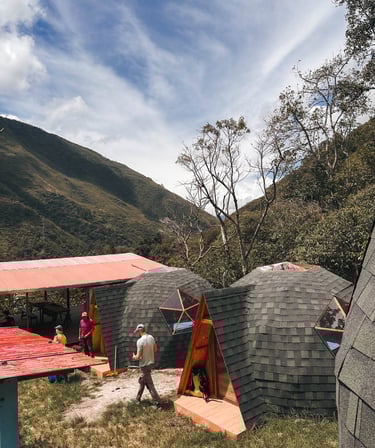
In the afternoon, we reached Lucmabamba, where our jungle domes were waiting. Triangle-shaped structures surrounded by greenery, private and slightly unexpected after the earlier camps.
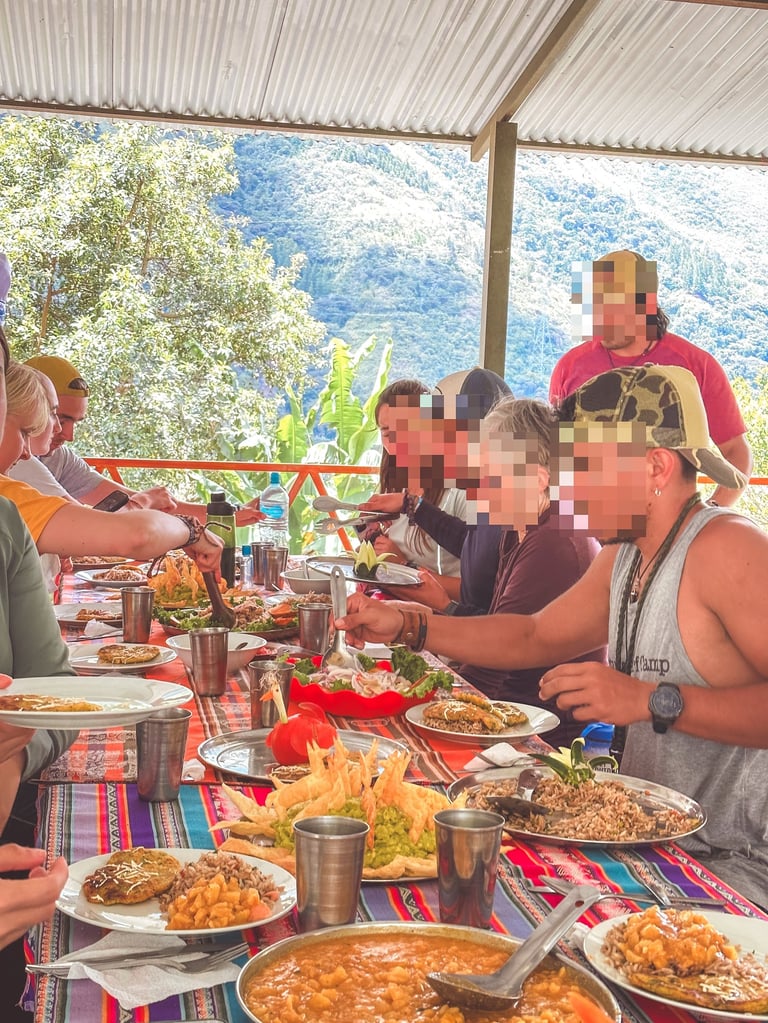
Lunch that day was one of the best meals of the entire trek. Fresh and very creative, the cook truly had his fun with the making food for us.
From there, we visited the Cocalmayo hot springs in Santa Teresa. Entry was not included in the trek price, but I would still recommend going. Sitting in warm water after days of walking felt like pressing pause on the physical strain.
That evening turned unexpectedly social. Beers appeared, games started, music followed together with bachata lesson.
Compared to the previous days, this one felt lighter both physically and mentally. The terrain was gentler and the air warmer. The mood in the group noticeably more relaxed. It felt like the trek had entered a new chapter.
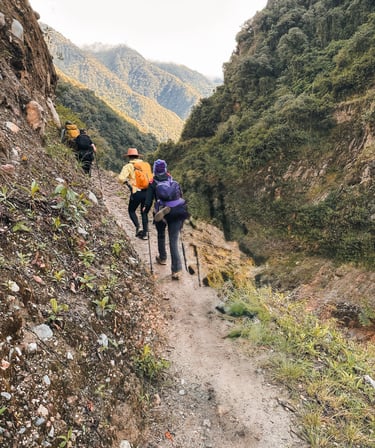
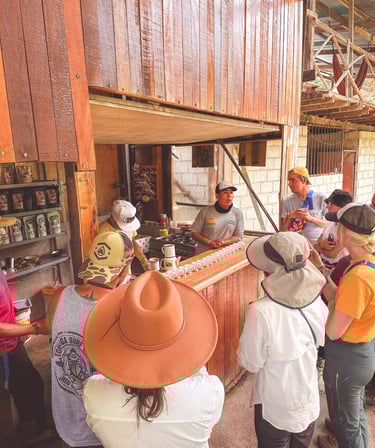
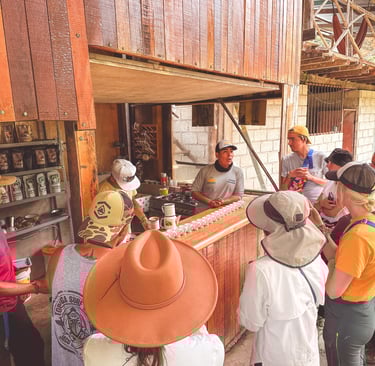
Hiking at Collpapampa
Coffee Plantation Tour
Break time in the jungle
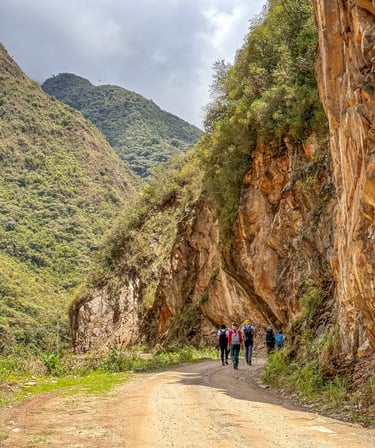
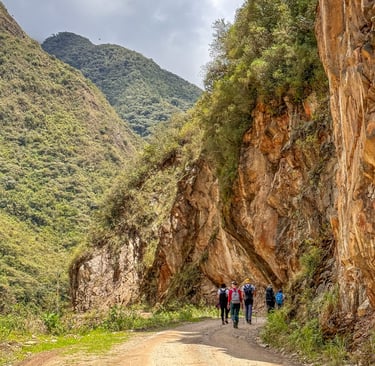
On the path towards Lucmabamba
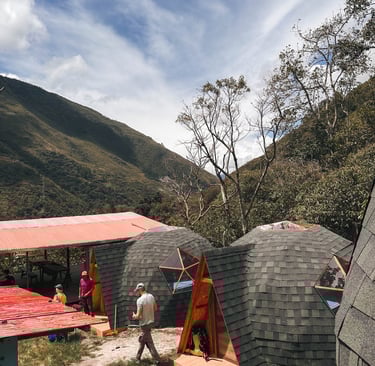
The Domes in the Lucmabamba Camp
Lunch at the Lucmabamba Camp
Day 4
Lucmabamba to Aguas Calientes
Route overview
Lucmabamba
Llactapata Inca site
Hidroeléctrica
Aguas Calientes
Distance and time
18 km hiking
8 hours in total
Altitude
Start: 2,000 m at Lucmabamba
End: 2,040 m in Aguas Calientes
We woke to jungle sounds and soft morning light. Breakfast came with that familiar mix of anticipation and fatigue. By this point, your body understands what is expected. You wake up sore but ready.
After breakfast, we climbed along a section of the original Inca Trail toward Llactapata.
The ascent took about two and a half hours. Steady, warm, and humid. Sweat replaced the cold discomfort from earlier days.
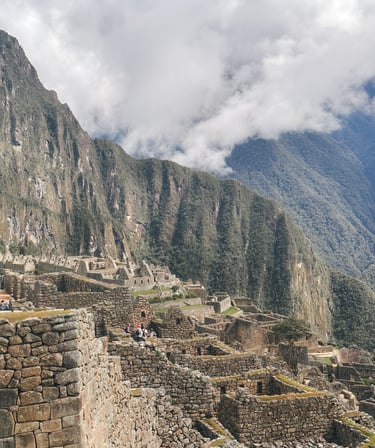
At the Llactapata ruins, we saw Machu Picchu Mountain and Huayna Picchu for the first time. Seeing it from afar after days of walking makes everything feel connected. Like the path suddenly has a visible ending.
After a short history lesson from our guide, we continued to Hidroeléctrica, where we had lunch.
This was the only place during the trek where I felt slightly skeptical about hygiene. There were dogs and cats everywhere, moving freely between tables. Nothing visibly wrong, but it stayed in the back of my mind.
After lunch, there was waiting time before continuing. I found a hammock and took a short nap. By then, fatigue had settled deeply into my body and the heat did not help.
From Hidroeléctrica, you have the option to take a train to Aguas Calientes. We chose to walk now that we had come so far.
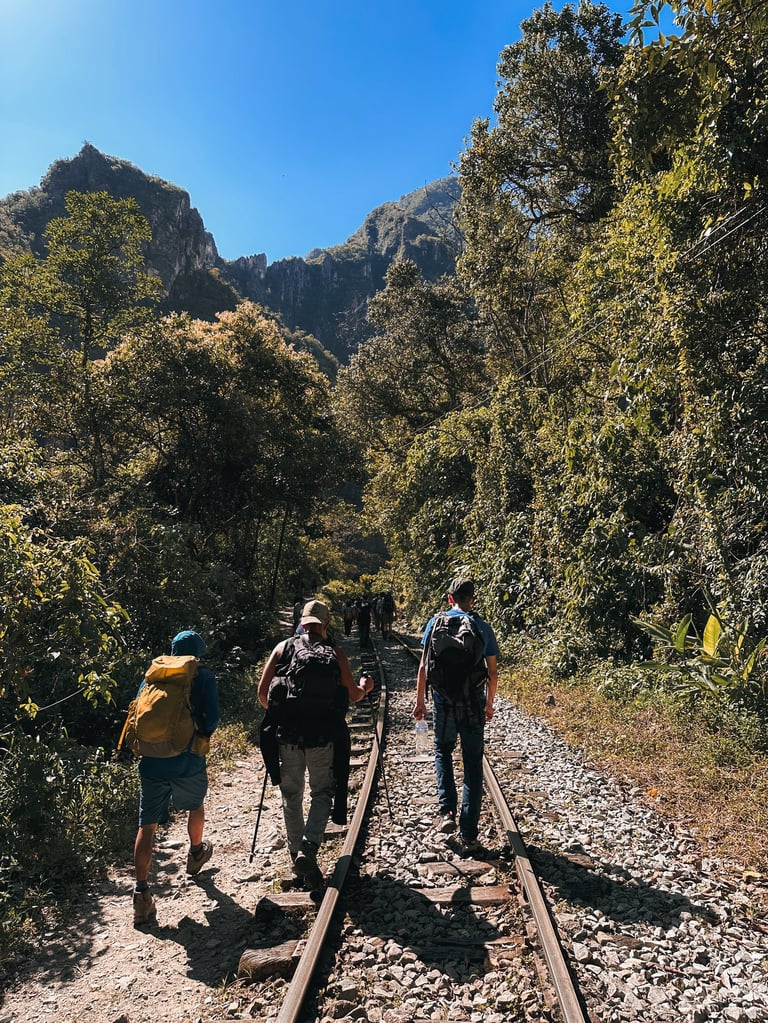
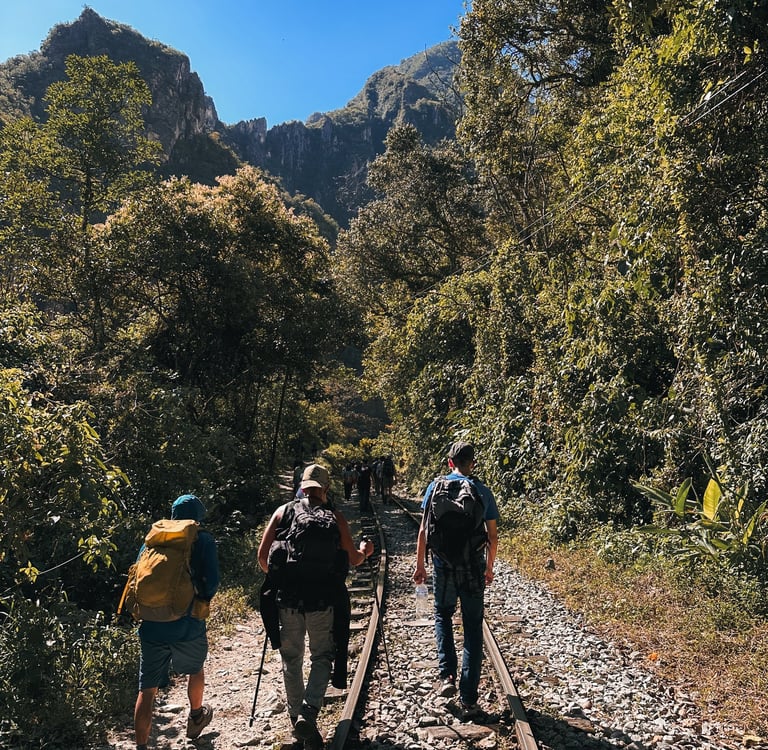
The path was flat and long, and mentally harder than expected. Not physically demanding in the same way as earlier climbs, but draining in a different way. It just went on and on and on with no noticeable changes in the landscape. The heat added its own layer of challenge.
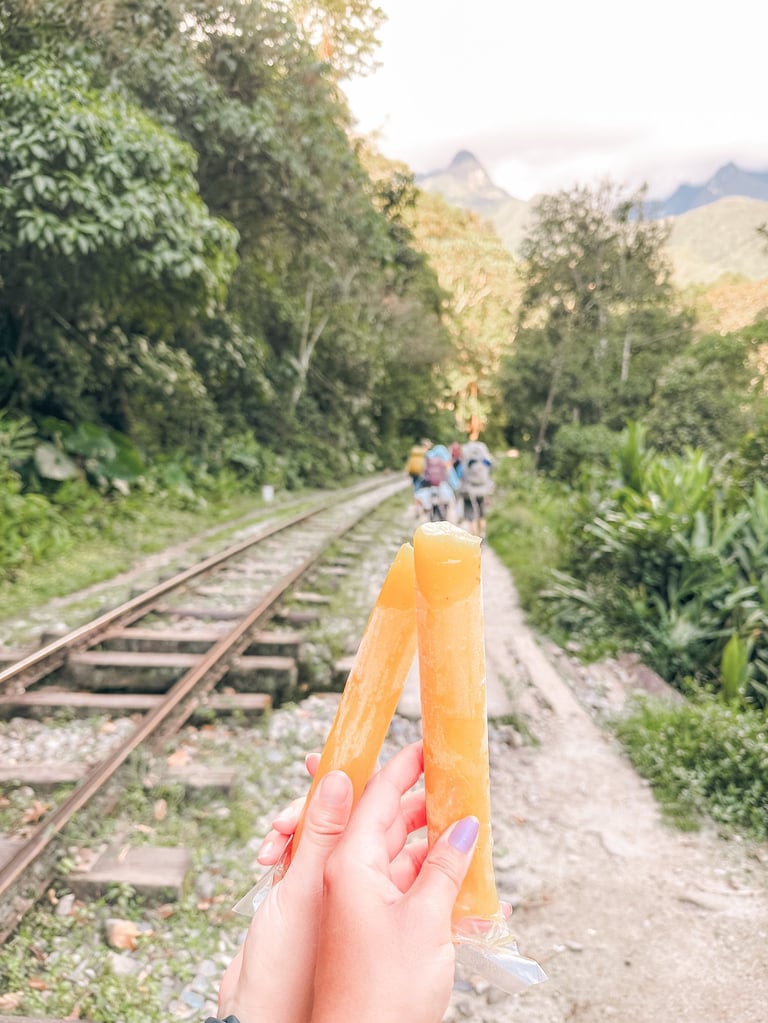
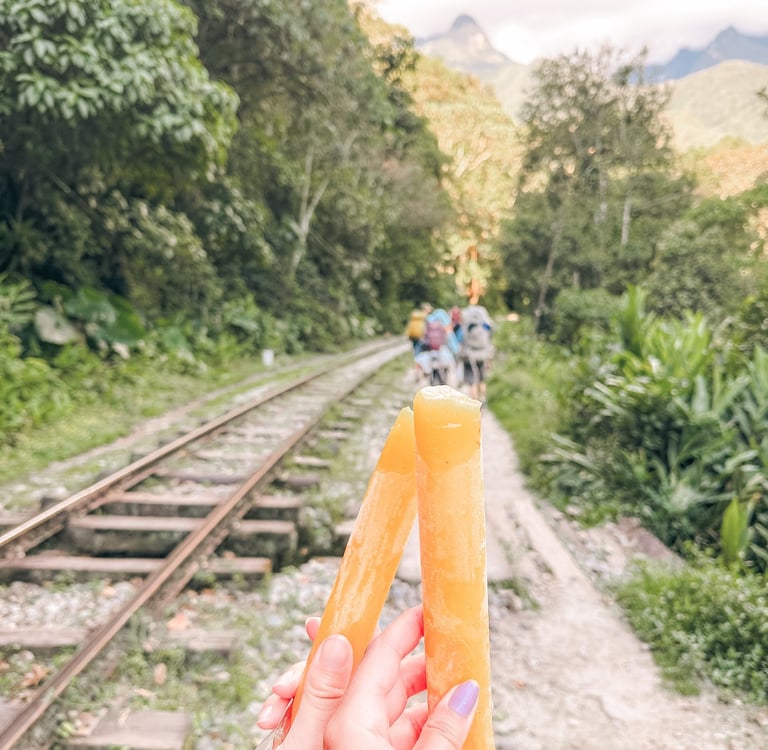
Luckily, locals sold ice cream along the path, and small cafes appeared every so often. We had a soda pop of mango, which was so refreshing and needed.
Dinner and a drink in Aguas Calientes felt celebratory with the group and guides. We stayed in a hotel that night, which felt luxurious after several nights in camps. Even though the camps were some of my favorite parts of the trek, stepping into a real room with a proper bed felt like a reward.
Aguas Calientes itself felt busy and crowded. Bars, restaurants, people everywhere. It was very loud and very different after spending several days inremote landscapes. However, the place had its charm due the surrounding mountains and nature.
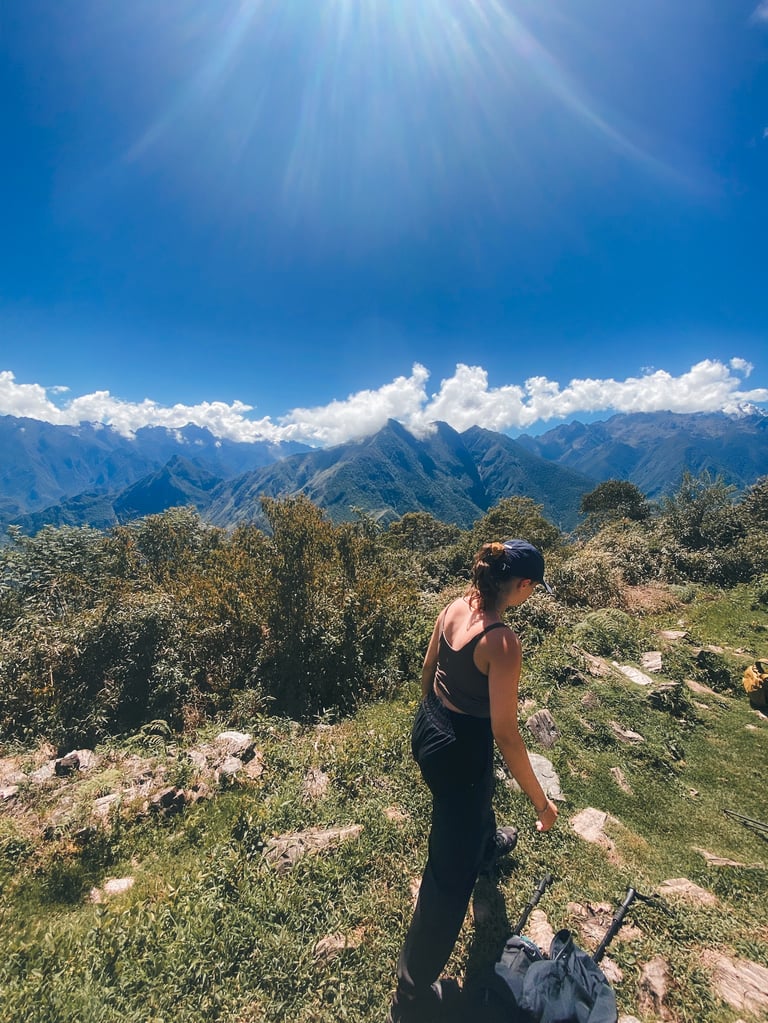
View of Machu Picchu from Llactapata
The Domes in the Lucmabamba Camp
Lunch at the Lucmabamba Camp
Day 5
Machu Picchu and return to Cusco
Route overview
Aguas Calientes
Machu Picchu
Cusco
Time
Early start around 4:30 am
Guided tour approx. 2.5 hours
Altitude
Start: 2,040 m in Aguas Calientes
Machu Picchu: 2,430 m
We left early with a packed breakfast. You can hike up to Machu Picchu or take the bus. We chose the bus. After several days of hiking, conserving energy felt like the right decision. At the entrance, passports and tickets were checked. Everything felt organized and controlled.
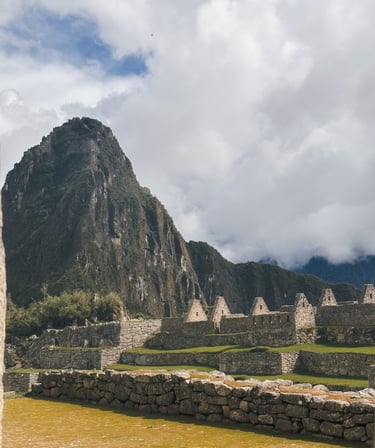
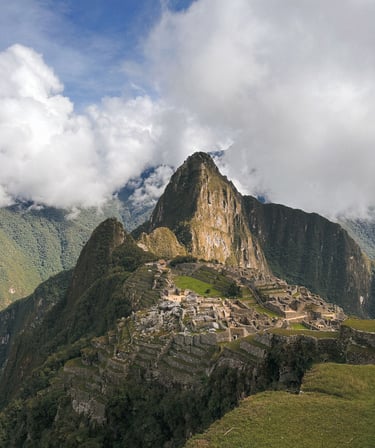
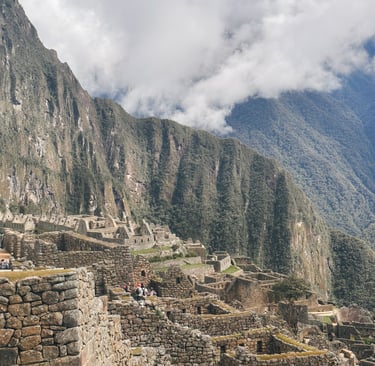
Our guide led us to the classic viewpoint first. It was completely cloudy, and we could not see more than a few meters in front of us. The disappointment slowly crept in. It had already been one of the best experiences of the past five days, but seeing Machu Picchu was the crown of it all. Our guide remained optimistic, so we had our simple breakfast and waited. As the sun rose, the clouds lifted, and from minute to minute Machu Picchu revealed itself. It was majestic. Just writing about it gives me goosebumps. It was still not very crowded, and we had an amazing view and a sense of peace.
After taking pictures, we went through the main sectors with our guide, who told us about the site and the Incas. Later on, it became busier, but it was well controlled. The information was clear, and the pace felt respectful.
By that point, I was feeling slightly sick and decided to listen to my body. I blamed the lunch place from the day before, though I will never know for sure.
After a few hours, we descended for around two hours to Aguas Calientes to collect our things from the hotel and then began the return journey. First, we took the train, which was beautiful, with large windows that allowed you to take everything in. At the final station, minibuses were waiting to bring us back to Cusco, just in time for a Halloween party.
On the path towards Lucmabamba
The Domes in the Lucmabamba Camp
Lunch at the Lucmabamba Camp
Practical tips for the Salkantay Trek
This trek is physically demanding, but manageable with preparation. You do not need to be extremely fit, but you do need to respect the altitude, the distance, and the changing conditions.
Preperation before the Salkantay Trek
The single best thing you can do before starting the Salkantay Trek is to spend time acclimatizing in Cusco. Give yourself at least three days before the trek begins. Walk around the city. Take the stairs slowly. Try short hikes if your body feels ready. Altitude does not care how motivated you are.
If you are used to walking, hiking occasionally, or staying active in daily life, you will likely manage just fine. But if you have not walked long distances in a while, it helps to practice beforehand. Even simple walks with a loaded backpack make a difference.
Mentally, preparation matters just as much as physical strength. Some days will feel easy. Others will test your patience. Accepting that ahead of time makes the harder moments easier to handle.
Safety as a female traveler
I never felt unsafe during the Salkantay Trek. Camps were organized, guides were attentive, and group dynamics remained respectful throughout the five days.
Being part of a group added comfort, especially in remote areas where you rely on shared logistics and guidance. The guides were present without hovering, and there was a natural sense of support among everyone hiking.
If you are traveling solo or with another female friend, this trek still feels like a safe environment to push yourself physically while staying supported socially.
Packing list for the Salkantay Trek
Even though your luggage can be carried by donkeys, I would still recommend packing light. For me, layers matter more than extra clothes, and good shoes matter more than anything. If I were to go again, I would bring an extra pair of hiking shoes with more ankle support and proper waterproofing for the wet days and shifting terrain.
Here are the things I would not go without.
Essentials
These are the itmens you carry with you all the time:
Hiking boots or shoes with good grip
Rain jacket and rain pants
Backpack with rain cover
Reusable water bottles
Sunscreen SPF 50
Lip balm SPF 50
Cap or hat
Power bank
Snacks for long stretches
Toiletpaper
Hand sanitizer
Blister plasters
Cold weather gear
Even if you are traveling through warm regions beforehand, nights at altitude are cold:
Thermal socks for sleeping
Fleece base layer
Gloves
Warm sleeping layers
Extra socks for changing when they get wet
Hygiene and Comfort
Microfiber towel
Blister plasters
Painkillers
Wet wipes
Lightweight sandals (I used trekking sandals from Teva)
A small pack of cards or gam
What I Would Pack Differently Next Time
This is where experience becomes useful. I would bring:
Waterproof hiking boots with ankle support
One extra pair of dry socks for emergencies
What surprised me most about the Salkantay Trek
There were things I expected to be hard. The altitude, the long days, the climbing, but other things surprised me.
The Weather Changes Faster Than You Think
You can start a morning in sunshine and end the day walking through rain and fog. Conditions just shift quickly.
The group becomes part of the experience
At the beginning, everyone feels slightly reserved. Or maybe it's just me, I am not a huge fan of group tours. Anyways, by day two, there was already a change in the vibe. Someone had music others had card games. We started to mingle on the way. That sense of community was something I had not expected to enjoy as much as I did.
The food was better than expected
I really enjoyed the food. It was wholesome and filling. On day three we had a feast with the most colorful dishes that was even cut out as animals and other creative things. Every morning we woke up to hot coca tea.
The emotional side is just as real as the physical one
There were moments when I felt strong and capable. And moments where I questioned why I had signed up for this in the first place.
That emotional shift is part of the experience and as real as the physical one. But when you reach the end, those difficult moments become part of what makes the experience so meaningful and you can only feel proud about yourself. At least I did.
Was the Salkantay Trek worth it?
Short answer: yes. I would do it again if I ever got the chance.
It was worth it because it pushed me without overwhelming me. It showed landscapes I would never have seen otherwise, and because it reminded me that discomfort often leads to something memorable.
There were moments of frustration: Wet shoes, heavy legs, and clouds blocking views.
But taking a break in the midle of the jungle or standing at the pass watching Machu Picchu appear through clouds was worth everything.
Who is the Salkantay Trek for?
Not every trek suits every traveler. And that is completely fine.
The Salkantay Trek is a good fit if you:
Enjoy physical challenges
Want to see varied landscapes
Prefer fewer crowds
Are curious about testing your limits
Feel drawn to nature more than ruins
It is especially suited for female backpackers who enjoy adventure but still want structure and safety around them. If you like pushing yourself just enough to feel proud afterward, this trek will likely feel rewarding.
Final thoughts - would I do the Salkantay Trek again?
If I am being honest, there were moments during the trek where I questioned why I signed up for it. Mostly on day two, in the rain, walking uphill with wet shoes and tired legs, not even close to reach the finish line of that day.
But those moments passed and what stayed were the smaller things. Sitting in the dome with hot coca tea while it rained outside. Laughing with people who had been strangers just days before. Putting on some dry sock after a whole day wlaking. Seeing Machu Picchu slowly appear after thinking the clouds would ruin the view.
The trek was hard, but manageable. Not something you need to be an athlete for, but something that asks for patience and preparation.
Would I do it again? Yes, I would.
It reminded me that you do not have to be the fastest or strongest to finish something like this. You just have to keep going, one step at a time, and be grateful that it's even possible for you to do something like this.
If you are considering the Salkantay Trek and wondering whether you can do it, there is a good chance you can. Especially if you are willing to prepare a bit and accept that some days will feel tougher than others.
More about Peru
© 2025. All rights reserved.